
A garage can serve as far more than a place to park a vehicle. With thoughtful improvements, it can provide organized storage, a practical workspace, and room for repairs, hobbies, and household projects. Focusing on safety, durability, organization, and moisture control can make the space more functional while addressing common maintenance concerns.
Improve Entry Points for Safer Daily Access
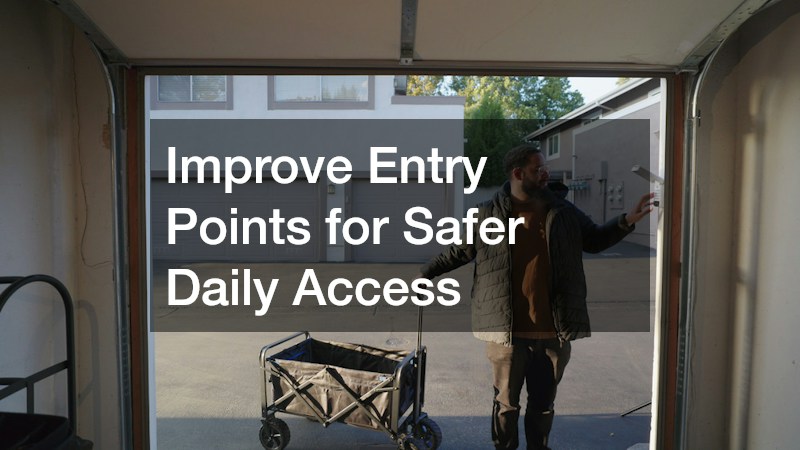
The garage door is one of the most frequently operated components in the space, making its condition an important part of overall safety. A door that is difficult to open, closes unevenly, makes unusual sounds, or has damaged components may need professional attention. Homeowners should avoid treating these issues as minor inconveniences because problems with springs, tracks, openers, or other components can interfere with reliable operation.
A professional inspection can identify wear and determine whether repairs or replacement are appropriate. Garage door services can also address problems that are difficult or dangerous for homeowners to handle themselves. Beyond the door itself, the area around the entrance should remain clear so people can move through the garage without tripping or encountering obstacles.
Consider these additional improvements:
- Keep the area around the door free of stored items.
- Test automatic safety features regularly.
- Replace damaged or worn weather seals.
- Add adequate lighting near entrances.
- Keep walkways separate from vehicle parking areas when possible.
A well-maintained entry point makes everyday access easier while supporting a safer overall garage layout.
Create a Dedicated Area for Vehicle Maintenance
A garage that regularly accommodates vehicle maintenance benefits from having a clearly defined work area. Instead of allowing automotive supplies, tools, and replacement parts to spread throughout the space, designate a specific location for these activities. This makes it easier to keep work surfaces organized and reduces the chance that unrelated household belongings will interfere with repairs.
Adequate lighting is particularly useful when inspecting engines, working underneath vehicles, or handling smaller components. Flooring should also be considered because automotive work can involve oil, fluids, grease, and other substances that may stain or damage certain surfaces. Keeping absorbent materials and appropriate cleanup supplies nearby can make accidental spills easier to address.
When organizing a maintenance area, consider:
- Installing bright task lighting over the primary work zone.
- Keeping frequently used automotive tools within easy reach.
- Using sealed containers for fluids and chemicals.
- Leaving adequate clearance around parked vehicles.
- Keeping a fire extinguisher accessible.
- Providing ventilation when work produces fumes.
For complex mechanical problems, professional auto repair services may be more appropriate than attempting extensive work at home. A well-planned garage can support basic maintenance while providing enough organization to keep more involved projects from disrupting the entire space.
Choose Durable Materials for High-Use Areas
Durability becomes especially important in garages used for heavy storage, repairs, workshops, or equipment maintenance. Surfaces and structural components may experience impacts, weight, moisture, temperature changes, and frequent handling. Choosing materials based on their intended use can reduce premature wear and make improvements more practical over time.
Metal can be particularly useful for applications that require strength or resistance to repeated use. A metal supplier can provide materials for projects such as shelving supports, workbenches, brackets, storage structures, and other custom improvements. Before purchasing materials, homeowners should determine the dimensions, weight requirements, and environmental conditions involved in the project.
A practical material-planning process can include:
- Measuring the area before ordering materials.
- Determining the expected weight each component must support.
- Considering moisture exposure and ventilation.
- Choosing finishes appropriate for the intended environment.
- Accounting for hardware and connection points.
- Planning how materials will be transported into the garage.
It is also important to avoid selecting materials based solely on appearance. A component that looks appropriate may not have the strength or durability needed for its intended application. Matching materials to actual use can produce improvements that remain functional through years of regular activity.
Expand Functional Space Beyond the Main Garage

Sometimes the best way to make a garage more useful is to move certain activities outside its primary footprint. Additional structures can provide space for equipment, vehicles, seasonal belongings, workshops, or materials that would otherwise consume valuable garage floor space. This can be particularly helpful when the existing garage is already crowded.
A supplemental structure should be planned around its intended purpose rather than added without a clear storage or workspace strategy. Pole barn supplies can support projects that create additional covered areas or storage structures, depending on the property and project requirements. Before beginning construction, homeowners should consider access, foundation conditions, drainage, structural requirements, and applicable local regulations.
Planning should address several factors:
- Determine what will be stored or used in the structure.
- Measure equipment before establishing dimensions.
- Plan adequate doors and access points.
- Consider electrical and lighting needs.
- Account for drainage around the structure.
- Leave sufficient room for future access and maintenance.
Separating bulky equipment or seasonal belongings from the main garage can make the primary space easier to navigate. It can also create a dedicated location for activities that produce dust, debris, noise, or other conditions that homeowners may not want near stored household belongings.
Protect the Property From Water and Soil Problems
Garage improvements should not focus exclusively on the interior. Water moving across the surrounding property can eventually affect entrances, driveways, foundations, landscaping, and nearby structures. Poor drainage can also create muddy areas, erosion, standing water, and conditions that make accessing the garage more difficult.
Before improving the interior, inspect the areas around the garage after rainfall. Look for places where water collects, soil has been displaced, or runoff travels toward the structure. Addressing these conditions can help protect improvements and reduce maintenance problems.
Depending on the property, useful strategies may include:
- Directing runoff away from the foundation.
- Improving drainage in low areas.
- Stabilizing exposed soil.
- Protecting slopes from excessive runoff.
- Keeping drainage paths clear of debris.
- Maintaining vegetation where it helps stabilize soil.
Erosion control products may be appropriate for certain areas where water movement is disturbing soil. The right solution depends on the property, slope, drainage pattern, and severity of the problem. Homeowners should consider the entire drainage path rather than addressing only the spot where erosion is most visible. Solving the underlying water-flow issue can help protect the garage and surrounding improvements.
Coordinate Material Delivery With the Remodeling Schedule
Large garage projects can involve more materials than homeowners initially expect. Framing components, flooring, cabinetry, structural materials, insulation, fixtures, and other supplies can quickly occupy available space. Coordinating deliveries with the construction schedule can prevent materials from becoming obstacles or creating unnecessary clutter.
Construction materials delivery should be planned around the order in which materials will actually be needed. Having everything delivered at once may seem convenient, but it can leave valuable garage space occupied by items that will not be used for weeks. Conversely, waiting too long to order essential materials can delay the project.
A more organized delivery plan should consider:
- Which materials are needed at each project stage.
- How much temporary storage space is available.
- Where delivery vehicles can safely access the property.
- Whether materials require protection from moisture.
- How large items will be moved into the work area.
- Whether deliveries should be scheduled around demolition or installation.
Before a delivery arrives, clear a designated location for the materials. Keeping supplies grouped by project stage can also make it easier to identify what is ready for installation. Good coordination helps maintain usable walkways and reduces the chance that materials will interfere with vehicles, tools, or other garage activities.
Design Storage Around the Way You Use the Garage

Storage should reflect how homeowners actually use their garages. A wall filled with cabinets may look organized, but poorly placed storage can make frequently used items difficult to reach. The goal should be to create a system that makes everyday tasks easier while keeping the floor as open as practical.
A cabinet supplier can help homeowners identify options based on available wall space, storage requirements, materials, and configuration. Before choosing cabinets, inventory the items that need to be stored. Consider their size, weight, frequency of use, and whether they need protection from dust or moisture.
Effective storage planning can include:
- Keeping frequently used items at accessible heights.
- Reserving higher cabinets for seasonal belongings.
- Creating separate storage for automotive and household supplies.
- Using drawers for smaller components.
- Labeling containers and cabinet sections.
- Leaving adequate clearance around doors and work areas.
Cabinet placement should also account for future changes. A homeowner may eventually add equipment, expand a workshop, or change how the garage is used. Leaving some flexibility in the layout can prevent a storage system from becoming restrictive. Well-planned cabinets can reduce clutter while making important supplies easier to find.
Build Safety Into Every Part of the Workspace
Safety should be incorporated into the garage layout rather than treated as an afterthought. Activities involving cutting, drilling, vehicle maintenance, chemicals, painting, or heavy materials can create different hazards. The appropriate protective equipment should be available where it is needed and stored in a location that remains easy to access.
A safety equipment supplier can provide products suited to different types of garage work. Homeowners should select equipment based on the specific activities performed in the space rather than purchasing items without considering actual hazards.
Depending on the work being performed, useful safety supplies may include:
- Protective eyewear.
- Work gloves appropriate for the task.
- Hearing protection.
- Respiratory protection when appropriate.
- First-aid supplies.
- Fire extinguishers.
- High-visibility equipment for certain work areas.
Storage also matters. Keep frequently used safety items near the corresponding work area and periodically inspect them for damage or expiration. A garage that is easy to navigate and properly equipped can support projects without allowing safety supplies to become an afterthought.
Keep Essential Supplies Organized and Accessible
A useful garage needs more than storage capacity. Homeowners also need to know where important supplies are located. Hardware, fasteners, hand tools, power tools, repair materials, and project supplies can become difficult to manage when they are placed wherever an open space happens to be available.
Organizing hardware & tools by function can make projects more efficient. For example, frequently used hand tools can remain together near the primary workbench, while specialty equipment can be stored elsewhere. Small parts should also have dedicated containers so screws, bolts, washers, and other components do not become mixed together.
A practical organization system can include:
- Pegboards for frequently used hand tools.
- Drawer organizers for small components.
- Clear containers for commonly used supplies.
- Labels for drawers, bins, and shelves.
- Dedicated areas for electrical, plumbing, automotive, and general repair supplies.
- An inventory of items that are frequently replaced.
The layout should also leave clear walking paths between storage and work areas. When supplies are easy to find and return to their designated locations, the garage is less likely to become cluttered during projects. Periodic organization can help identify duplicate items and reveal supplies that are no longer needed.
Address Moisture Problems Before Finishing the Space
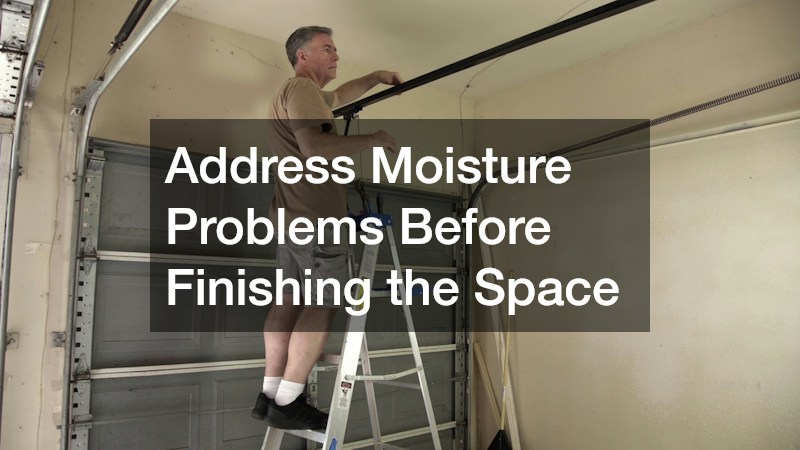
Moisture can create serious problems in a garage, particularly when leaks, condensation, poor ventilation, or water intrusion are left unresolved. Adding new cabinets, flooring, insulation, or wall finishes before addressing moisture can place those improvements at risk. For that reason, moisture assessment should happen before cosmetic upgrades are completed.
Look for visible staining, musty odors, damaged materials, condensation, or areas where water appears after rain. The source may involve the roof, walls, foundation, plumbing, drainage, or indoor humidity. Simply cleaning visible growth without addressing the moisture source can allow the underlying problem to return.
Before finishing the space, homeowners should:
- Inspect walls and ceilings for signs of water damage.
- Check around windows and doors for leaks.
- Look for condensation on cold surfaces.
- Review drainage around the foundation.
- Improve ventilation where appropriate.
- Repair leaks before installing new finishes.
Professional mold remediation may be appropriate when mold growth is extensive or affected materials require specialized handling. Once the source of moisture has been addressed, homeowners can make informed decisions about replacing damaged materials and completing the rest of the remodel. Starting with moisture control protects both the structure and the improvements added later.
A safer, more useful garage starts with improvements that match how the space is actually used. Better organization, durable materials, proper safety measures, and moisture control can make everyday activities easier while protecting the space. Thoughtful planning also leaves room for future projects and changing needs.