The hum of biting insects at dusk, a gate that will not latch, water spilling over the eaves during every storm. Outdoor problems like these chip away at how much a family actually enjoys its property. Even a beautifully finished interior feels less welcoming when the yard is overgrown, the exterior looks tired, and spending an evening outside means swatting and scratching the whole time.
The good news is that the exterior responds well to focused attention. Healthy canopies, a tight shell, sturdy boundaries, thoughtful planting, and smart pest control work together to create outdoor spaces people want to use. The ten sections below explain the common problems in each area and how experienced professionals solve them for the long run.
Taking Down Hazardous Trunks Before They Fall

Large specimens close to a house can cause tremendous damage when they fail. Hollow trunks, fungal growth at the root flare, dead limbs in the upper crown, and deep cracks running through the bark all point to internal decay. A sudden lean after heavy rain often means the root plate is lifting, and specimens weakened by pests, lightning, or construction damage can collapse with little warning during a storm.
Professional tree cutting services handle these situations with careful planning and the right equipment. Arborists evaluate the lean, wood strength, and potential drop zones, then climb or use aerial lifts to dismantle the canopy piece by piece. Rigging lines, pulleys, and friction devices lower heavy sections slowly to avoid damaging siding, shingles, or nearby plantings. When access is limited, a crane can lift entire sections over the house. Stump grinding removes the remaining wood below grade, and crews haul away debris or turn it into mulch. Verifying insurance and getting a written scope protects the property throughout the job.
Sagging Troughs That Spill Runoff Against the Foundation
Drainage channels along the eaves take more abuse than most owners realize. Leaves and shingle grit clog the outlets, ice adds weight in winter, and loose spikes let sections pull away from the fascia. Once a run sags, water pools in low spots, overflows during storms, and pours straight down against the foundation, eroding planting beds, saturating the soil, and eventually seeping into basements and crawl spaces.
Choosing a replacement gutter system built from seamless aluminum eliminates the leaky joints common on older sectional products. Crews form K-style channels on site in 5 or 6 inch widths, sizing them to the drainage area and regional rainfall intensity. Hidden hangers spaced every 24 inches or closer prevent sagging, and a steady pitch toward each outlet keeps runoff moving. Oversized 3×4 inch downspouts handle heavy storms, while extensions or underground drain lines carry water well away from the foundation. Micro-mesh guards keep leaves and debris out, reducing cleanup time significantly on properties surrounded by mature canopies.
New Shingles Laid With Precision From Eave to Ridge
The covering over a house is only as strong as the workmanship behind it. Shingles nailed too high or too low lose wind resistance, missing starter strips leave the first course vulnerable to uplift, and improperly woven valleys channel water under the surface. Poor ventilation traps heat in the attic, baking shingles from below and voiding many manufacturer warranties.
Skilled roof installers follow manufacturer specifications at every step. After tearing off old materials and replacing damaged sheathing, they apply ice and water shield along eaves and in valleys, lay synthetic underlayment across the deck, and set metal drip edge at every edge. Starter strips go down first, followed by architectural shingles fastened in the nailing zone with four to six nails each, depending on wind requirements. Step flashing and counterflashing are woven into every wall and masonry intersection, and balanced intake and exhaust ventilation keeps attic temperatures in check. Certified crews can often offer extended system warranties that cover both materials and labor.
Insulated Overhead Panels That Upgrade Curb Appeal

The overhead entry to an attached bay often makes up a large share of a house’s front facade, so its condition strongly affects first impressions. Dented single-layer steel panels, faded finishes, and rattling tracks make even a well-kept exterior look neglected. Older models also offer little insulation, letting cold air and summer heat pour into adjacent rooms.
A professional garage door installation replaces those weak points with modern, insulated panels that look sharp and perform well. Polyurethane-insulated steel models reach R-values of 12 or higher, helping stabilize temperatures in attached spaces. Carriage-house styles, full-view aluminum and glass designs, and wood-look composite finishes add character without the upkeep of real wood. Crews calibrate torsion springs to the exact panel weight, mount tracks plumb and level, fit nylon rollers for quiet operation, and pair the system with a belt-drive opener featuring battery backup and smartphone control. Proper sensor alignment and force settings ensure the panel reverses safely if anything is in its path.
Privacy and Security Along Every Property Line
A well-built perimeter defines outdoor space, keeps pets and children safe, and adds privacy from neighbors and passing traffic. When the work is done poorly, posts rot at ground level, sections lean after the first windy season, and gates sag until they drag. Placing a structure without confirming the property line or checking for buried utilities can lead to disputes, fines, or a costly tear-out.
A reputable fence company starts every project with a survey review, an 811 utility locate, and a check of HOA and municipal height rules. Crews set posts in concrete footings with gravel at the base for drainage, sinking them below the frost line to resist heaving. Material options include cedar, pressure-treated pine rated for ground contact, vinyl, aluminum, and ornamental steel, each with different maintenance needs and lifespans. Galvanized or stainless fasteners prevent rust streaks, and steel-framed gates with heavy-duty hinges and self-closing latches keep openings secure. Pool barriers can be built to meet safety codes with proper height and latch placement, and decorative caps on wood posts shed rain to slow decay at the top of each post.
Grading, Planting, and Hardscapes Done Right
Outdoor projects often fail because the groundwork was rushed. Poor grading sends runoff toward the foundation, retaining walls built without proper drainage bow and crack, and pavers set on thin or uncompacted bases sink and shift. Plants placed without regard to sun exposure, soil type, or mature size struggle and need frequent replacing.
An experienced landscaping contractor handles the technical work that makes outdoor spaces last. Crews regrade problem areas to slope soil away from the house, build segmental retaining walls with geogrid reinforcement and gravel backfill, and lay pavers over compacted aggregate bases with polymeric sand in the joints. Drip irrigation with smart controllers delivers water efficiently, and sod or seed is laid over amended soil for strong root development. Beds receive a 2 to 3 inch layer of mulch, and low-voltage lighting highlights walkways and focal points. Ongoing care like pruning, aeration, and seasonal cleanups keeps everything thriving.
Planning Outdoor Spaces Around How You Live

The most successful yards start with a clear plan rather than a series of impulse purchases. Without one, owners end up with mismatched plantings, patios that are too small for furniture, and walkways that do not connect to where people actually go. Spaces may look attractive from the curb but offer little shade, privacy, or room for gathering.
Professional landscape design begins with a site analysis that maps sun patterns, drainage, soil conditions, existing vegetation, and views. Designers then create scaled plans that organize the yard into functional zones for dining, play, gardening, and relaxing, connected by logical pathways. Plant palettes favor native and adapted species suited to the hardiness zone, layered for year-round interest with evergreens, flowering shrubs, perennials, and ornamental grasses. Hardscape features like outdoor kitchens, fire pits, pergolas, and water features are placed to complement the house and existing structures. Phased plans allow owners to build their vision over several seasons as budgets allow. Detailed planting schedules, material lists, and 3D renderings also make it easier to collect accurate bids and keep every crew working from the same blueprint.
Selective Pruning for Stronger, Healthier Canopies
Healthy specimens still need periodic attention to stay safe and attractive. Branches that grow toward the house rub against siding and shingles, dense crowns catch wind and increase storm risk, and dead or crossing limbs invite decay and pests. Codominant stems with tight, V-shaped unions are especially likely to split as they grow heavier.
Proper tree trimming follows ANSI A300 standards, with clean cuts made just outside the branch collar so wounds seal naturally. Crown thinning removes select interior branches to improve airflow and light penetration, while crown raising lifts lower limbs to clear walkways, driveways, and the house. Reduction cuts shorten long limbs back to a strong lateral branch instead of leaving stubs. Arborists generally remove no more than about a quarter of the live canopy in one season to avoid stressing the plant, and they time work around species-specific concerns, such as pruning oaks during dormancy to reduce the spread of oak wilt.
Keeping Rodents and Insects Out of the House
Pests look for food, water, and shelter, and many houses offer all three. Mice slip through gaps as small as a dime, rats chew through vents and soffits, and cockroaches, ants, and silverfish thrive in damp areas under sinks and in crawl spaces. Termites can quietly damage framing for years before visible signs appear, while stinging insects build nests under eaves and in wall voids.
A professional exterminating service uses integrated pest management to solve infestations and prevent new ones. Technicians start with a detailed inspection to identify species, entry points, and conducive conditions. Exclusion work seals gaps with copper mesh, sealant, and door sweeps, while tamper-resistant bait stations and traps address rodent activity. Targeted gel baits, insect growth regulators, and perimeter treatments control crawling insects with minimal product use. For termites, options include liquid soil treatments and in-ground bait systems with ongoing monitoring. Quarterly visits keep defenses strong through every season, and technicians often point out simple fixes like pruning shrubs back from the siding, storing firewood off the ground, and moving mulch a few inches away from the foundation.
Enjoying Summer Evenings Without Constant Bites
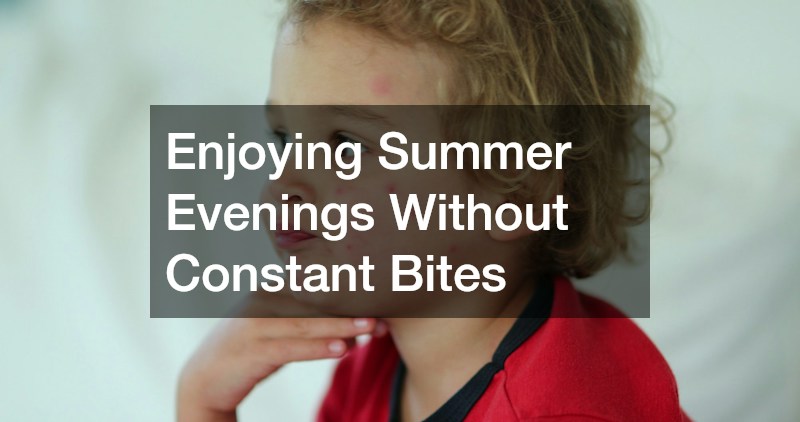
Biting insects can make a backyard unusable just when the weather is best. Species like Aedes albopictus, often called the Asian tiger, feed aggressively during the day, while others become active at dusk. Depending on the species, they can carry diseases such as West Nile virus. Standing water in clogged channels, birdbaths, plant saucers, tarps, and old tires gives them the breeding sites they need, and a single container can produce hundreds of new adults within a week.
Professional local mosquito removal services combine source reduction with targeted treatments for lasting relief. Technicians walk the property to find and eliminate breeding sites, then treat dense shrubs, shaded areas, and the undersides of leaves where adults rest during the day. Barrier sprays applied every 21 to 30 days during the active season knock down adult populations, while larvicides such as Bti dunks prevent larvae from developing in water that cannot be drained. Some providers also offer natural botanical options and automated misting systems. Combined with good drainage and tidy plantings, these treatments make evenings on the deck enjoyable again.
Every part of the exterior plays a role in how a property looks and feels. Healthy canopies and a strong covering overhead protect the house, sturdy channels and proper grading keep water away from the foundation, and thoughtful planting creates spaces worth spending time in. Pest control ensures those spaces stay comfortable.
Tackling these projects in the right order helps owners get the most from their budget. Safety items like hazardous limbs and failing drainage should come first, followed by protection for the shell and perimeter. Planting plans, hardscapes, and pest control programs can then be layered in over time, ideally with multiple estimates and verified credentials.
Here is a simple test for any outdoor project: will it make the family more likely to step outside and stay a while? When the answer is yes, the investment pays off in quiet mornings with coffee, long summer dinners on the deck, and kids playing in a yard that feels safe, comfortable, and welcoming from one season to the next.