Key Takeaways
- Most households store far more than vehicles in their parking space, with research showing nearly all owners use the area for multiple categories of belongings rather than cars alone.
- Vertical wall systems and overhead racks dramatically expand usable square footage without requiring a larger footprint.
- Sorting belongings into keep, donate, sell, and discard piles before buying any storage product prevents wasted spending and poor layout decisions.
- Zone-based layouts that group similar items by function make retrieval faster and reduce the likelihood of future clutter buildup.
- Clear bins, labels, and consistent container sizes create visual order and simplify inventory tracking over time.
- Safety considerations, including proper chemical storage and clear walkways, should guide every organizational decision.
- Regular seasonal maintenance checks keep systems functional and prevent gradual drift back into disarray.
Why Garages Become Dumping Grounds in the First Place
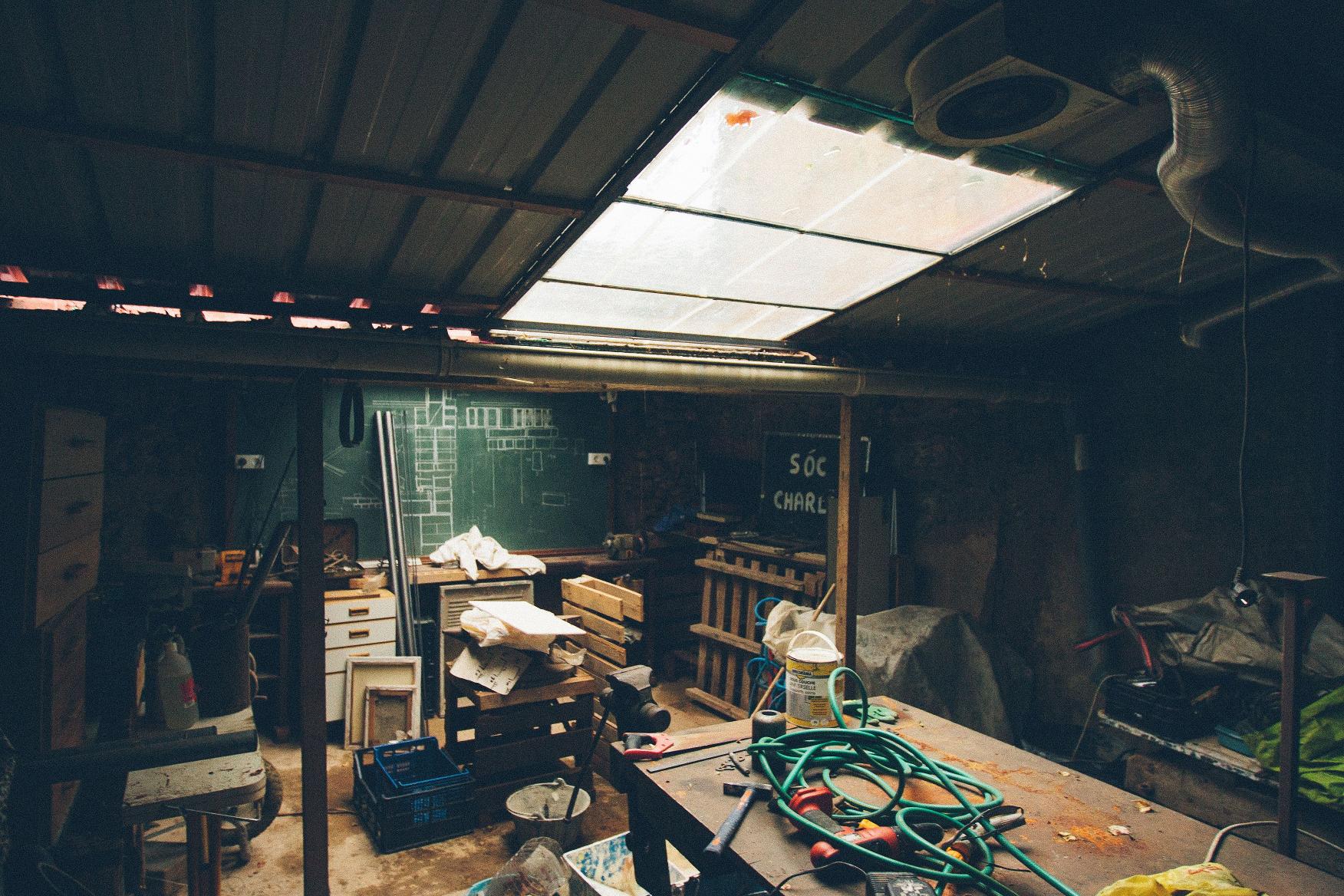
The garage occupies a strange place in the modern American home. It was designed to shelter vehicles, yet over decades it has quietly transformed into a hybrid zone for tools, seasonal decor, sporting equipment, overflow pantry items, and anything else that lacks a clear home elsewhere. This drift happens gradually, which is why so few homeowners notice the problem until walking through becomes difficult.
Research backs up just how common this situation has become. According to the CRAFTSMAN Take Back Your Garage Survey, more than a third of Americans can no longer fit their vehicles inside the space because of accumulated belongings. The pattern is nearly universal. A study referenced by Bailey Line Road found that just two percent of owners reserve the area purely for parking, while the remaining 98 percent store an average of 4.3 distinct item categories.
Understanding the psychology behind this drift matters. Items enter the garage with good intentions, usually tagged mentally as temporary, and then stay because nobody designates a permanent spot. Recognizing this pattern is the first step toward lasting change.
Starting With a Full Inventory and Honest Purge

Before buying a single shelf or hook, everything needs to come out. Pulling items onto the driveway forces decisions that stay hidden when belongings are buried behind other belongings. This step feels tedious, but it is the single most important action in the entire process.
Work through each item with four categories in mind. Sorting ruthlessly here pays dividends for years because every retained object will eventually need storage space you must plan around.
- Keep: items used at least once in the past year or genuinely needed for upcoming projects
- Donate: usable goods that no longer serve the household
- Sell: valuable equipment, tools, or collectibles with real resale demand
- Recycle or discard: broken, expired, or hazardous materials
The financial case for selling is stronger than many people realize. According to a study by Alan’s Factory Outlet covered on Consumer Affairs, the typical American garage holds around five thousand dollars in potential resale value. Old power tools, bikes, outdoor gear, and vintage items often carry meaningful worth on secondhand marketplaces.
How to Decide What Truly Deserves Space
Apply a simple test to any borderline item. Ask whether you would buy it again today at full price. If the answer is no, the object is almost certainly taking up space it does not earn. This mental shortcut cuts through sentimental attachment faster than open-ended deliberation.
A Practical Approach to How to Organize a Cluttered Garage
Once the purge is complete, the remaining items need logical groupings. This is where thoughtful garage improvement planning separates short-term tidiness from durable systems. The goal is not merely to clear floor space. The goal is to create a layout where every object has a predictable home that supports how the household actually lives.
Think in zones. Mechanics use one wall, gardening tools claim another corner, and sports equipment gets its own dedicated area near the door. This mirrors how commercial spaces are organized, and it works for the same reason: proximity to point of use reduces friction.
The industry built around this challenge is substantial. According to data shared by Vocal Media, residential buyers accounted for 77.2 percent of total demand in the garage organization sector in 2025, which signals how seriously homeowners are now treating these spaces. That consumer pressure has driven product innovation across shelving, wall panels, cabinetry, and modular systems. Learning how to organize a cluttered garage effectively means tapping into that mature ecosystem rather than improvising with mismatched containers.
Mapping Zones Before Mounting Anything
Sketch the floor plan on paper, including door swings, outlets, windows, and the vehicle parking footprint. Mark where each zone will live. Only after this map feels right should any drilling begin. Moving a mounted track system later is a frustration worth avoiding.
Using Vertical and Overhead Space Effectively
Floor space is the most valuable real estate in any garage because it determines whether cars fit. Walls and ceilings, by contrast, are usually underused. Shifting storage upward is the single highest-leverage move available to most households.
Wall-mounted systems come in several flavors, and the right choice depends on what you store. Slatwall panels offer flexibility for frequently rearranged setups. Pegboards suit hand tools and lightweight items. Heavy-duty rail systems handle bikes, ladders, and bulky yard equipment without sagging.
- Overhead platforms: ideal for seasonal bins, luggage, and rarely accessed items
- Wall tracks with hooks: best for bikes, rakes, shovels, and sports gear
- Magnetic strips: efficient for metal tools and small hardware
- Ceiling-mounted pulleys: useful for kayaks, canoes, and long lightweight objects
- Corner shelving units: capture awkward dead space that would otherwise sit empty
When mounting anything heavy, locate studs or use rated anchors. Pay attention to weight ratings printed on hardware packaging. These numbers exist because failed mounts cause injuries, and some of the smartest safer garage upgrades involve simply using the correct fasteners for the load.
Choosing Containers, Labels, and Shelving That Actually Work
Container selection is where many organization projects quietly fail. Mismatched bins waste shelf space, opaque containers hide their contents, and flimsy materials collapse under weight. Standardizing early prevents these problems.
Clear plastic bins with latching lids work best for most applications because they let you see contents without opening them. Buy the same model in two or three sizes so they stack cleanly. Metal shelving outperforms plastic for heavy loads and resists temperature swings better in uninsulated garages.
Labeling matters more than people expect. A label printer or even consistent handwriting on masking tape transforms a wall of identical bins into an instantly navigable system. Include contents on multiple sides so orientation does not matter when stacked.
When to Invest in Cabinets Versus Open Shelving
Cabinets hide clutter and protect contents from dust, but they cost more and limit flexibility. Open shelving is cheaper, faster to install, and easier to reconfigure, though it demands tidier habits because everything stays visible. Most households benefit from a hybrid approach: closed cabinets for chemicals, paint, and anything unsightly, paired with open shelves for bins and frequently grabbed gear.
Handling Chemicals, Tools, and Hazardous Items Safely
Garages often hold more dangerous materials than any other room in the house. Gasoline, pesticides, solvents, fertilizers, and power tools all share the same space, frequently within reach of children or pets. Storage decisions here carry real consequences.
Keep flammables in a dedicated metal cabinet away from water heaters, furnaces, or any ignition source. Store chemicals in original containers whenever possible so warning labels remain intact. Never stack heavy items above head height on open shelves, since a falling toolbox can cause serious injury.
- Lock pesticides and automotive fluids behind cabinet doors if children access the space
- Keep a mounted fire extinguisher near the entry door, not buried in a corner
- Separate oxidizers from fuels and solvents by several feet at minimum
- Install a smoke detector rated for garage temperature ranges
- Maintain at least three feet of clearance around electrical panels
Thinking through these details early is part of planning your ideal garage rather than reacting after an incident forces the issue. Safety layouts are far cheaper to design in from the start than to retrofit later.
Keeping the System Working Over Time
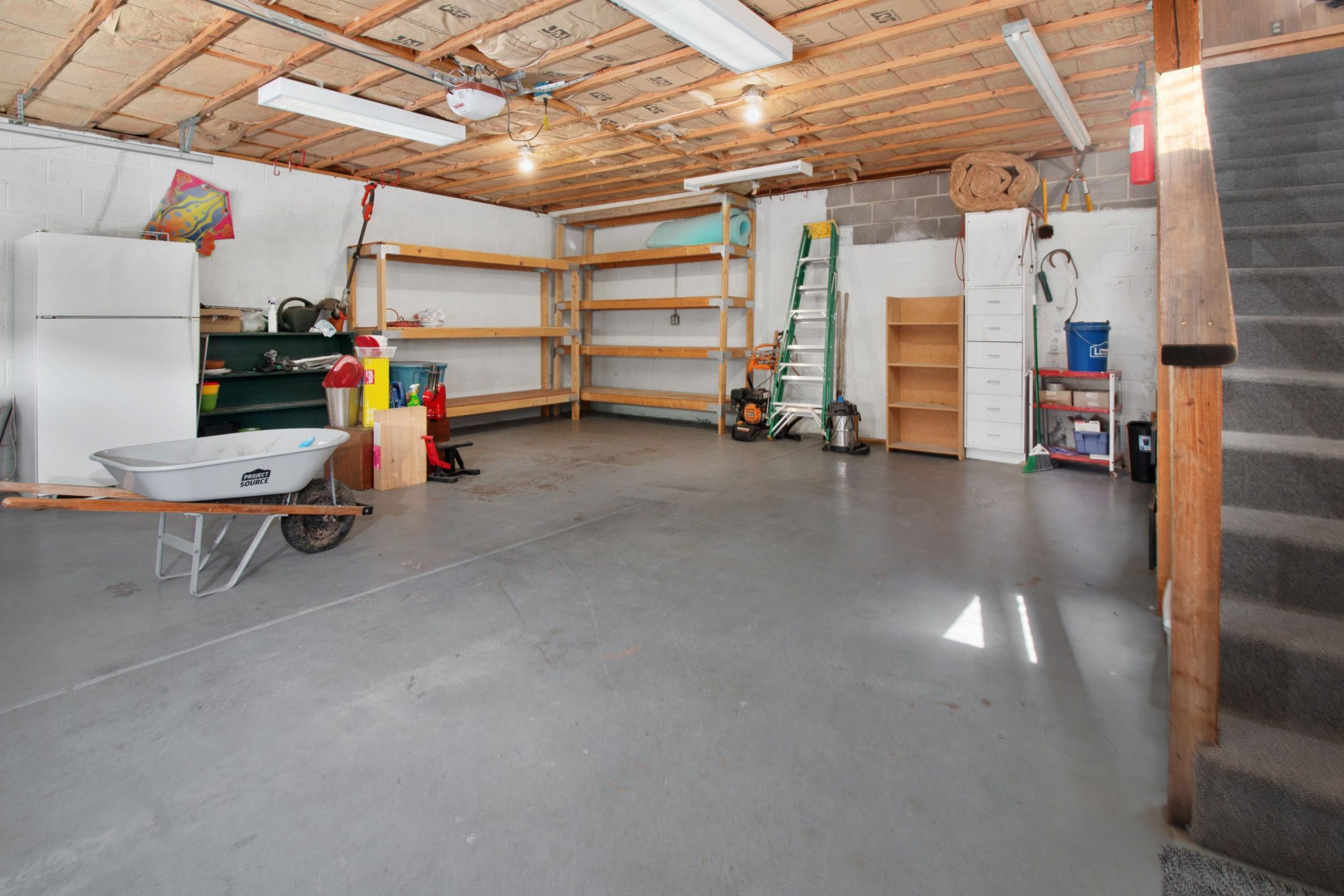
Any organizational setup decays without maintenance, and the garage is especially vulnerable because it absorbs the overflow from every other part of the house. The difference between a garage that stays functional for a decade and one that slides back into chaos within six months comes down to small, repeated habits that cost almost nothing in time but protect the hours you invested building the system in the first place.
Schedule a quick walkthrough every season. Spring and fall are natural checkpoints because they coincide with equipment rotations: snow gear moves out, lawn tools move in, and vice versa. Summer invites bikes, coolers, and camping gear to the front of the queue, while winter pushes shovels, salt, and roof rakes into easy reach. Use these transitions to flag anything that no longer earns its spot, and treat each rotation as a mini audit rather than just a shuffle. A ten-minute pass with a notepad is often enough to catch problems before they compound.
- Spot-check zones monthly for items drifting out of place
- Reassess bin contents yearly and purge what went unused
- Tighten wall anchors and inspect shelving brackets annually
- Replace faded labels before they become illegible
- Sweep floors and clear cobwebs quarterly to discourage pests
- Check for signs of moisture, rust, or pest activity along baseboards and corners
- Re-evaluate zone boundaries if your hobbies or vehicles have changed
Think of these checks the way you’d think of changing the oil in a car. None of them are urgent on any given day, but skipping them for a year or two is how systems quietly fall apart. Many homeowners find that pairing the walkthrough with another seasonal chore — swapping HVAC filters, winterizing the mower, pulling out holiday bins — makes it stick as a routine rather than an afterthought.
Building Habits That Prevent Future Pileups
The strongest defense against recurring clutter is a one-in, one-out rule for categories prone to accumulation. When a new power tool arrives, an older one leaves. When holiday decorations expand, something gets donated. When a new bike enters the family, the outgrown one goes to a neighbor or a resale shop. This discipline keeps the total volume stable and protects the work already invested in the setup, and it forces a useful pause at the moment of purchase: do I really need this, or am I just adding to the pile?
Another habit worth adopting: never let the garage become a temporary holding zone for indecision. Items placed there “just for now” — the exercise bike you might use again, the box of mystery cables, the furniture from a relative’s move — almost always stay for years, quietly colonizing the floor and blocking access to the things you actually use. Make decisions at the point of entry rather than deferring them. If something doesn’t have an assigned zone within a week, that’s a signal it probably doesn’t belong in the garage at all.
Finally, loop the rest of the household into the system. A storage plan that only one person understands will unravel the moment someone else puts something away in the wrong place. Walk family members through the zones, show them where labels live, and keep the rules simple enough that a teenager or a weekend guest can follow them. Sustained garage improvement is less about buying more bins and more about the shared agreement that keeps the space working — and knowing how to organize a cluttered garage is only valuable if the organization survives everyday use.
Conclusion
Transforming a chaotic garage into a functional, navigable space is less about buying the right products and more about making deliberate decisions at every stage. The purge sets the ceiling for what is possible. The zoning determines how livable the result feels day to day. The vertical systems multiply usable square footage, and the maintenance habits decide whether any of it lasts.
Most homeowners underestimate how much better daily life feels when the garage works properly. Mornings move faster when tools are visible and reachable. Weekend projects start sooner when supplies are where they belong. Vehicles actually fit, which protects them from weather and extends their lifespan. These benefits compound quietly over years.
The work required to get there is real, but it is finite. A focused weekend of sorting, followed by a thoughtful week of layout planning and installation, produces results that pay back every single day afterward. Start with the purge, trust the process, and treat the finished system as something worth protecting.